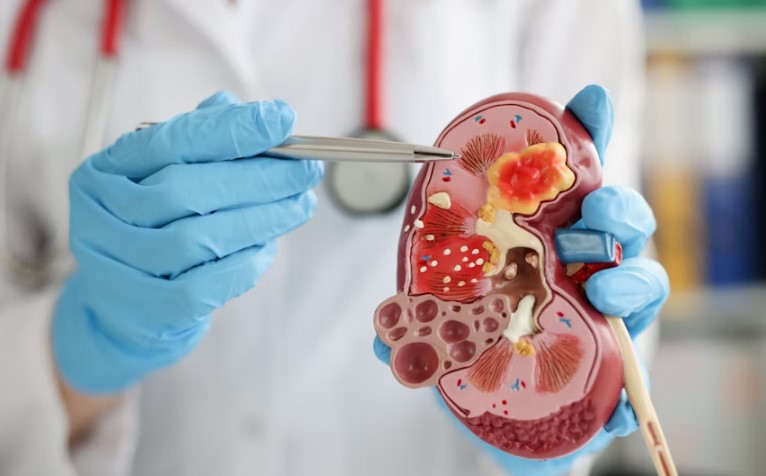
Liver transplantation is a complex, life-saving surgery performed to replace a diseased liver with a healthy one. In the United States, numerous hospitals offer this advanced procedure, but only a few are recognized for their exceptional success rates, patient care, and innovative medical techniques.
In this article, we will explore the top 10 best hospitals in the USA for liver transplants, helping patients and their families make informed decisions about their healthcare needs.
Why Choosing the Right Hospital for Liver Transplant Matters?
The success of a liver transplant depends on several factors: the experience of the medical team, the hospital’s facilities, its organ transplant program, and postoperative care. Choosing a leading transplant center can increase the chances of a successful surgery, reduce complications, and improve the quality of life post-transplant.
Here Are The Full Details About Top 10 Best Hospital In USA For Liver Transplant
1. Mayo Clinic – Rochester, Minnesota
The Mayo Clinic is a globally renowned medical institution and consistently ranks among the top hospitals for liver transplantation. Its multidisciplinary liver transplant team includes surgeons, hepatologists, dietitians, and psychologists, offering complete support throughout the transplant journey. The center has a high volume of transplants and excellent survival rates.
2. Cleveland Clinic – Cleveland, Ohio
The Cleveland Clinic’s liver transplant program is known for its innovation and advanced technologies. With a strong emphasis on research and minimally invasive techniques, this hospital offers tailored care for both adult and pediatric liver transplant patients. Their living donor transplant program is also well established.
3. UCLA Medical Center – Los Angeles, California
UCLA Medical Center has one of the most active liver transplant programs in the United States. Their team is skilled in complex transplant cases, including those involving dual-organ transplants. UCLA offers excellent patient education and post-transplant support, which enhances long-term outcomes.
4. UCSF Medical Center – San Francisco, California
The University of California, San Francisco (UCSF) Medical Center is widely respected for its liver disease research and treatment. Their transplant program is among the oldest and most respected in the nation. UCSF boasts short wait times and a high patient survival rate post-surgery.
5. Mount Sinai Hospital – New York City, New York
Mount Sinai Hospital has one of the largest and most comprehensive liver transplant programs in the United States. It serves a diverse patient population and offers both adult and pediatric liver transplants. Mount Sinai also specializes in living donor transplants, expanding the donor pool significantly.
6. NYU Langone Health – New York City, New York
NYU Langone has rapidly grown its liver transplant program to become one of the best in the country. It is known for fast evaluation processes, excellent liver transplant outcomes, and top-notch surgical teams. Their approach focuses on reducing waitlist mortality and improving patient outcomes.
7. Johns Hopkins Hospital – Baltimore, Maryland
Johns Hopkins is synonymous with medical excellence, and its liver transplant program reflects this legacy. The hospital is a leader in innovative techniques, including minimally invasive surgery and high-risk donor liver usage. Their research-backed approach ensures patients receive top-level care.
8. Northwestern Memorial Hospital – Chicago, Illinois
Located in Chicago, Northwestern Memorial is one of the leading transplant centers in the Midwest. It has a robust living donor liver transplant program and outstanding patient support systems. Their high survival rate and strong transplant team make it a top choice for patients across the country.
9. University of Pittsburgh Medical Center (UPMC) – Pittsburgh, Pennsylvania
UPMC is a pioneer in liver transplantation, having performed the world’s first known liver transplant in a child. Its liver transplant program continues to innovate, especially in immunosuppressive therapies and organ preservation. With a vast experience in handling complex cases, UPMC remains a top destination for liver transplants.
10. Emory University Hospital – Atlanta, Georgia
Emory University Hospital’s Liver Transplant Program offers comprehensive care for patients with end-stage liver disease. It is particularly known for its emphasis on patient education, family involvement, and holistic recovery strategies. Emory has a strong track record in both adult and pediatric transplants.
What Makes These Hospitals the Best?
- Experienced Surgeons: Each of these hospitals employs board-certified, highly experienced liver transplant surgeons.
- Advanced Facilities: From state-of-the-art ICUs to dedicated transplant units, these hospitals offer the best infrastructure.
- High Success Rates: Most of these hospitals report above-average one-year and five-year survival rates post-transplant.
- Shorter Wait Times: Centers like UCSF and NYU Langone are known for efficiently managing transplant waiting lists.
- Living Donor Programs: Many of these hospitals have robust living donor programs, offering more options to patients.
Important Factors to Consider Before Choosing a Liver Transplant Center
Before deciding on a transplant center, it’s essential to evaluate several aspects:
- Center’s experience and transplant volume
- Survival rates and patient outcomes
- Availability of living donor program
- Waitlist management efficiency
- Postoperative support and long-term care
Cost of Liver Transplant in the USA
The average cost of a liver transplant in the United States ranges from $500,000 to $800,000. This includes pre-transplant evaluation, surgery, hospital stay, medications, and follow-up care. Insurance coverage, hospital billing practices, and the complexity of the case can all influence the final cost. Financial counseling services are typically available at top hospitals to help patients navigate the expenses.
Success Rate of Liver Transplant in the USA
According to the Scientific Registry of Transplant Recipients (SRTR), the one-year survival rate after a liver transplant in the U.S. is around 89%, and the five-year survival rate is approximately 75%. These numbers vary slightly between centers, depending on their expertise and the patient population they serve.
FAQs About Best Hospital In USA For Liver Transplant
1. What is the average waiting time for a liver transplant in the USA?
The waiting time can range from a few weeks to over a year, depending on the severity of the liver disease, blood type, and the transplant center’s organ availability.
2. Is a living donor liver transplant better than a deceased donor transplant?
Both have high success rates, but living donor transplants can significantly reduce waiting time and offer better scheduling flexibility. Not all patients qualify, though.
3. Are liver transplants covered by insurance?
Yes, most private insurance plans, Medicare, and Medicaid cover liver transplantation. However, coverage for medications and post-op care may vary, so it’s essential to consult your provider.
4. How long does recovery take after a liver transplant?
Initial recovery takes about 6 to 12 weeks. However, complete recovery and lifestyle adaptation may take up to a year with regular monitoring and medication.
5. What lifestyle changes are needed after a liver transplant?
Patients must avoid alcohol, follow a liver-friendly diet, take immunosuppressive medications regularly, and undergo frequent medical evaluations to ensure the liver is functioning well.
6. Are there any age limits for liver transplants?
There’s no strict age limit, but overall health condition, the presence of other diseases, and transplant readiness are crucial factors in eligibility.
7. What are the risks involved in liver transplantation?
Risks include infection, organ rejection, bleeding, and complications from immunosuppressive medications. However, with experienced centers, the risks are significantly reduced.
8. How can I choose the right hospital for a liver transplant?
Look at the hospital’s transplant volume, patient outcomes, waitlist time, and reviews. A consultation with the transplant team can also provide insights into their approach.
9. Can foreign nationals undergo liver transplants in the USA?
Yes, but they must undergo evaluation, secure a visa, and manage the costs privately or through international insurance coverage.
10. How long does a transplanted liver last?
With proper care, a transplanted liver can last over 10 to 20 years or more. Lifelong medical follow-up is necessary to monitor its health and function.
Conclusion
Liver transplantation is a major medical procedure that requires the best facilities, highly skilled professionals, and comprehensive postoperative care.
The hospitals listed above are leaders in these areas, offering patients the best chances for a successful and lasting recovery.
Whether you’re in need of a liver transplant or supporting a loved one, choosing the right hospital can make all the difference.
Make sure to consult directly with the hospital of your choice, review the latest data from SRTR (Scientific Registry of Transplant Recipients), and speak to your healthcare provider to determine the best course of action for your condition.